When to Service My Scuba Equipment
A Guide to Keeping Your Gear in Top Condition
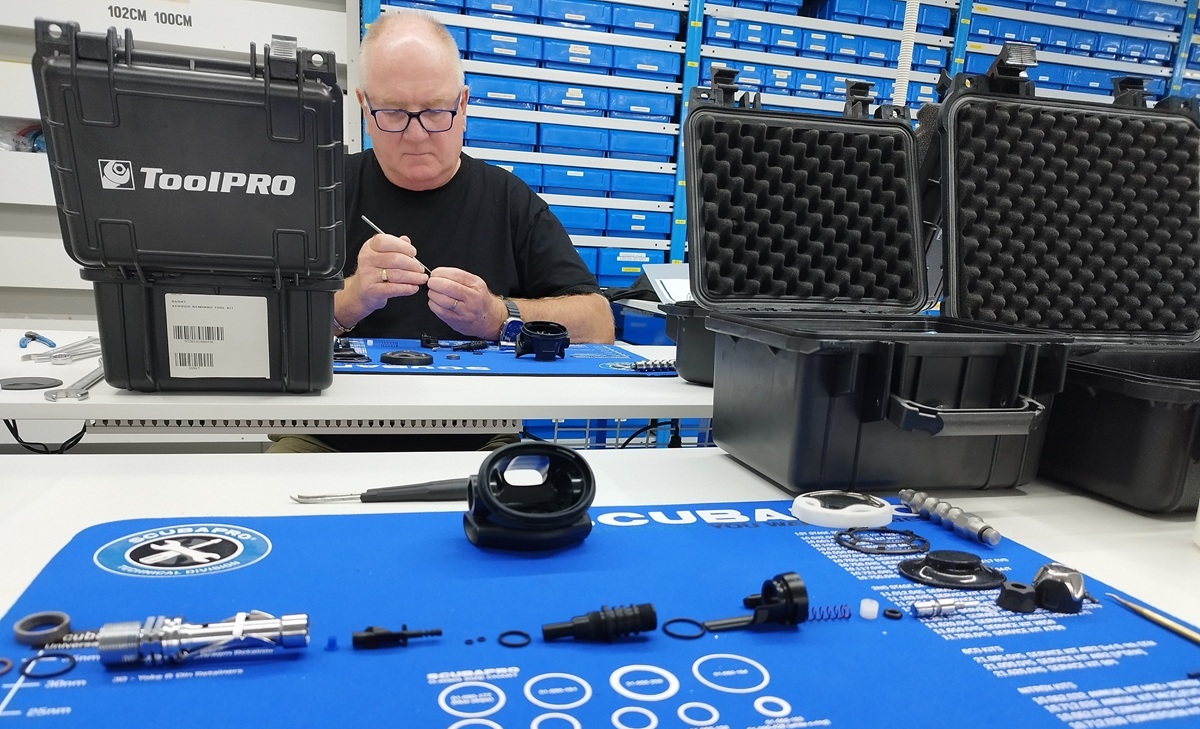
Regular maintenance and servicing of your scuba gear are essential for ensuring both your safety and the longevity of your equipment. ScubaPro, one of the leading brands in scuba diving gear, emphasises the importance of maintaining your gear in top condition to guarantee a safe and enjoyable dive experience. It keeps you alive underwater!
Knowing when to service your scuba equipment is critical. Whether you're a recreational diver or a professional, your equipment plays a pivotal role in your safety and performance underwater. Here's a comprehensive guide to help you determine when to service your ScubaPro gear and why it's important.
-
Annual Service: The Rule of Thumb
ScubaPro and other professional organisations generally recommend inspecting or servicing your scuba equipment at least once a year. Even if you dive infrequently, regular maintenance is essential. Over time, seals, o-rings, and internal parts can wear down, and issues may not be immediately visible. Annual servicing ensures that all components are inspected, lubricated, and replaced if necessary.
When to service annually:
- Regulators: The most critical piece of your diving gear, your regulator should be serviced once every 12 months, regardless of how often you dive.
- BCD (Buoyancy Control Device): Servicing once a year keeps your BCD functioning properly, ensuring inflators, hoses, and valves are all working smoothly.
- Tanks: Your tank should be visually inspected annually, and in Australia, hydrostatic testing (pressure testing) should be done annually as per industry standards.
If you purchased your equipment from us or serviced with us in the last 12 months, we offer FREE annual inspection at ADI! You only pay if your equipment does not pass inspection and needs to go through a full service. Hire & Airfill Pricing
-
After a Diving Season or Extended Break
If you've just finished a diving season or haven't used your gear for a while, it's a good idea to get your equipment inspected or serviced before your next dive. Even if you've only dived a few times, storing your gear away for long periods can lead to minor issues with seals and moving parts. Saltwater and even chlorinated pool water can damage the materials of your gear, and a service check will ensure everything is in top working condition before your next adventure.
Signs it's time for service after a break:
- Gear has been unused for 6 months or longer.
- You notice cracks or visible wear on components like hoses, inflators, or o-rings.
- Your gear feels stiff or doesn't operate as smoothly as when you first purchased it.
-
After a Dive with Harsh Conditions
If you've been diving in extreme conditions, such as cold water, high salinity, or muddy environments, your gear may require more frequent servicing. These conditions can affect the seals, moving parts, and internal components of your scuba equipment. Saltwater, for example, can corrode the metal parts of your regulator and BCD, while colder temperatures can stiffen seals and affect performance.
When you should service your gear after harsh conditions:
- Cold water diving: If you've been diving in temperatures below 10°C (50°F), a regulator service is particularly important as cold water diving increases the likelihood of freezing or moisture buildup.
- Saltwater exposure: After every saltwater dive, your equipment should be rinsed thoroughly, and a service is recommended at least annually to prevent corrosion from saltwater.
- Muddy or silty dives: After dives in muddy or silty environments, a more thorough inspection and servicing of your regulator, BCD, and other gear is essential to remove debris and prevent damage.
-
Performance Issues or Leaks
If you notice any issues with your gear, it's best to have it serviced immediately. Issues such as leaks, odd noises, hard breathing, or malfunctioning valves should never be ignored. Diving with faulty equipment compromises safety, and even small issues can quickly turn into more significant problems underwater.
Common signs that your gear needs servicing:
- Regulator hard to breathe through: If you feel increased resistance or bubbles in the mouthpiece, it's time for an inspection and likely a regulator overhaul.
- Leaks in your BCD or regulator hoses: Leaks can often be repaired with simple o-ring replacements, but if left unchecked, they can lead to bigger problems.
- Sticking inflator valve: A sticking or malfunctioning inflator on your BCD can affect your buoyancy control, so it's important to have it serviced as soon as you notice any issues.
-
Before a Big Trip or Special Dive
If you're preparing for a special diving trip—especially if it involves deep diving, wreck diving, or diving in remote locations — it's always wise to have your gear serviced well in advance. You want to ensure that your equipment is functioning properly, as you'll rely heavily on it in more challenging diving conditions. Servicing your gear before a trip will give you peace of mind and help you avoid problems while diving.
When to service before a trip:
- Deep dive trips: Any trip where you'll be diving beyond recreational limits (over 30 meters or 100 feet) requires extra checks, particularly on your regulator and dive computer.
- Wreck or cave dives: These types of dives often involve less-than-ideal visibility, so your equipment must work perfectly. Servicing ensures no surprises while you're exploring.
- Remote or international destinations: In places where gear servicing may not be readily available, servicing your gear before you leave ensures you won't encounter issues when you get there.
-
Signs of Wear and Tear
Every piece of scuba equipment has a lifespan, and regular use leads to natural wear and tear. While some issues are obvious, such as cracked or frayed hoses, others, like deteriorating seals, can be less noticeable. It's important to look for these signs of wear regularly and get your gear serviced accordingly.
Wear and tear to watch for:
- Cracked or fraying hoses or straps.
- Stiff or cracked BCD bladder.
- Worn out mouthpieces or regulator hoses.
- Corrosion or discolouration of metal parts (like the first stage of your regulator).
-
Manufacturer Recommendations
Each piece of equipment comes with a manufacturer's maintenance schedule, including specific service intervals. ScubaPro, for example, recommends servicing regulators every 12 months. Always follow the manufacturer's guidelines for your specific gear to ensure optimal performance and safety.
Key Tips for Maintaining Your Scubapro Equipment
- Rinse thoroughly after each dive: Always rinse your equipment with fresh water, especially after saltwater or muddy dives. This helps prevent salt buildup and prolongs the life of your gear.
- Store your gear properly: Keep your equipment in a cool, dry place. Avoid leaving it in direct sunlight or in a hot car, as UV rays and heat can degrade materials over time.
- Inspect before each dive: Conduct a quick visual inspection of your gear before every dive. Look for cracks, frays, or loose fittings. Check that your regulator and BCD are functioning correctly.
Conclusion: Regular Servicing is Key to Safe Diving
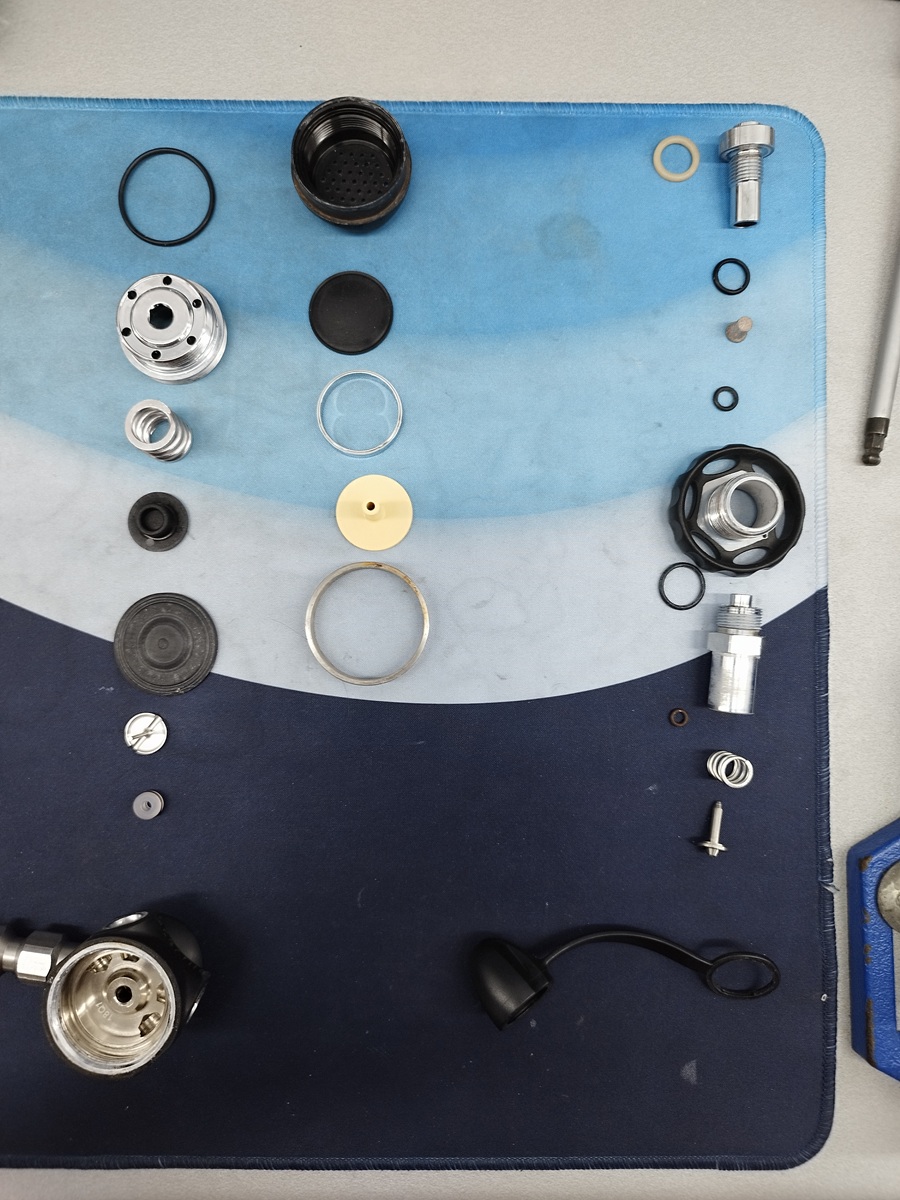
ScubaPro gear is built to last, but regular servicing is crucial to maintain its reliability and performance. Whether it's an annual inspection & service, a check after a season of diving, or an inspection following a particularly tough dive, ensuring your equipment is in top condition is essential for safe and enjoyable diving.
Don't wait until a small issue turns into a big one — keep your equipment serviced, well-maintained, and ready for your next dive adventure.
Ready to book your next service appointment? Contact us to schedule a service today! Your gear will thank you for it.